

Article: What is a Handmade Rug?

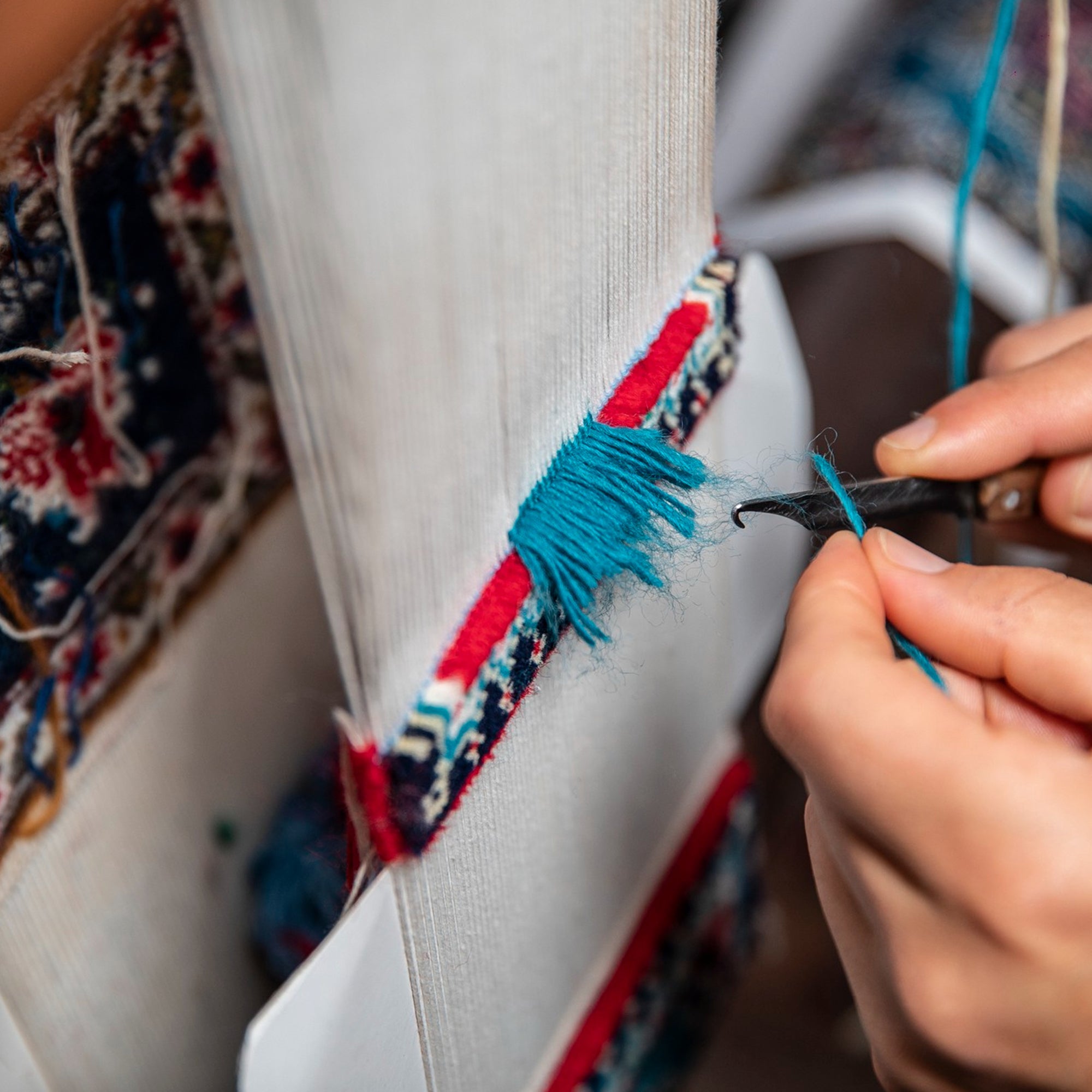
What is a Handmade Rug?
What is a Handmade Rug?
A handmade rug is not merely a functional item; it is a timeless artifact that embodies artistry, culture, and historical narratives. These masterpieces have been a cornerstone of human creativity for millennia, symbolizing the dedication and ingenuity of artisans. In this comprehensive guide, we will delve into the intricate world of handmade rugs, exploring their origins, crafting techniques, cultural significance, and enduring appeal.
Historical Origins of Handmade Rugs
The history of handmade rugs spans over 2,500 years, with their earliest origins traced to the nomadic tribes of Central Asia. The oldest surviving example, the Pazyryk Rug, discovered in a Scythian burial mound in Siberia, dates back to the 5th century BCE. This remarkably preserved piece reveals the advanced weaving techniques and artistic sophistication of ancient civilizations.

Initially, handmade rugs served practical purposes, such as providing insulation and warmth in harsh climates. However, as societies evolved, they transcended their utilitarian functions, becoming symbols of status, power, and cultural identity. Persian rugs, for example, were highly prized by royalty and aristocracy, often adorning palaces and mosques. Similarly, Anatolian rugs gained fame for their intricate geometric patterns and symbolic motifs, reflecting the spiritual and communal values of their weavers.
The Craft of Handweaving
Creating a handmade rug is a labor-intensive and meticulous process. Below are the key stages:
Loom Setup
The loom forms the foundation of the weaving process. Warp threads are carefully stretched to create a stable base for the knots.

Material Selection
Wool, cotton, and silk are the primary materials used. Wool is valued for its resilience, while silk offers unparalleled elegance and detail.

Natural Dyeing
Artisans use plant roots, flowers, minerals, and insects to produce a wide array of vibrant and enduring colors. This eco-friendly process ensures the rug maintains its beauty over time.

Weaving and Knotting
The weaver ties individual knots onto the warp threads using techniques such as the Persian knot (asymmetrical) or Turkish knot (symmetrical). Each knot contributes to the rug's density and durability.

Trimming and Finishing
After the weaving is complete, the rug is trimmed to create an even pile. It is then washed to enhance its luster and dried under controlled conditions to prevent distortion.
How Long Does It Take to Make a Handmade Rug?
The time required to create a handmade rug varies based on its size, complexity, and the materials used:
-
Small Rugs (3x5 feet): 1-3 months
-
Medium Rugs (6x9 feet): 6-12 months
-
Large or Intricate Rugs: Several years, especially those with high knot densities and silk materials
High knot-density rugs (measured in knots per square inch, KPSI) require exceptional skill and patience, showcasing intricate patterns and fine details.
The Cultural and Artistic Significance of Handmade Rugs
Handmade rugs are deeply symbolic, representing the cultural heritage of their regions. Persian rugs are celebrated for their floral and medallion motifs, while Anatolian rugs often feature geometric patterns and vibrant colors. These designs not only enhance their aesthetic appeal but also convey spiritual and protective meanings.
Historically, these rugs played a vital role in global trade, particularly along the Silk Road, serving as valuable commodities and cultural ambassadors.
Why Handmade Rugs Are Still Relevant Today
Today, handmade rugs are timeless pieces of art that blend seamlessly into both traditional and contemporary spaces. Their sustainable production methods and use of natural materials align with modern values of environmental responsibility.
How to Care for Handmade Rugs
To maintain the beauty and longevity of your handmade rug:
✔ Regular Vacuuming: Use a gentle setting to remove dust and debris.
✔ Avoid Direct Sunlight: Prolonged exposure can cause fading; use curtains or UV-blocking window films.
✔ Rotate Periodically: Prevent uneven wear and maintain the rug’s shape.
✔ Professional Cleaning: Have your rug professionally cleaned every few years.
Why Choose a Handmade Rug?
✔ Unique Artistry: Each rug is a one-of-a-kind creation, showcasing the artisan’s personal touch.
✔ High Knot Density: Fine patterns and exceptional durability ensure long-lasting quality.
✔ Eco-Friendly Materials: Sustainable dyes and natural fibers are used.
✔ Cultural Heritage: Every rug tells a story, preserving the traditions of its origin.
Conclusion
A handmade rug is far more than a decorative accessory; it is a celebration of human ingenuity and cultural legacy. Bring elegance and history into your home by exploring our exclusive collection. Each piece is a testament to enduring beauty and craftsmanship. Let a handmade rug tell its story in your home today.